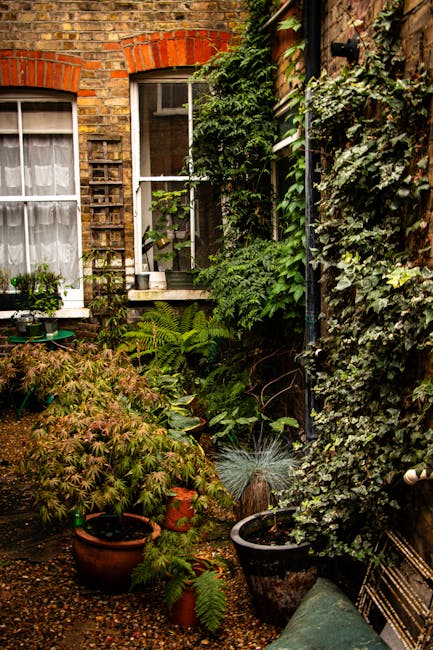
Willesden Green gardeners front garden solutions Kilburn
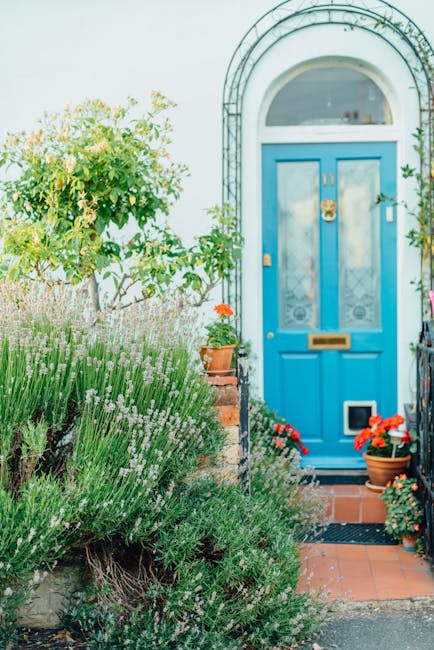
If your front garden is the first thing people see, it quietly does a lot of work for your home. It frames the entrance, softens the street view, and either makes daily life easier or adds one more thing to keep on top of. That is why Willesden Green gardeners front garden solutions Kilburn matters so much: it is not just about making a garden look neat, but about creating a front space that suits London living, works year-round, and feels welcoming without becoming a chore.
In areas like Kilburn and Willesden Green, front gardens often have to do several jobs at once. They may need to handle narrow access, awkward shade, drainage issues, kerb appeal, bins, bikes, and the simple reality that people do not have endless time to tend them. The good news? With the right planning, a front garden can be both practical and good-looking. Below, you will find a full guide to the ideas, methods, decisions, and pitfalls worth knowing before you start.
Quick takeaway: the best front garden solution is usually the one that balances tidiness, access, low upkeep, and a style that suits the property rather than fighting it.
Why Willesden Green gardeners front garden solutions Kilburn Matters
Front gardens are different from back gardens. They are more visible, more exposed, and usually more judgmental, if that is the right word. You can get away with a bit of chaos at the back. At the front, everyone sees it: visitors, neighbours, delivery drivers, and you every time you leave the house with coffee in one hand and keys in the other.
For homeowners and landlords in Willesden Green and nearby Kilburn, front garden work tends to be about finding a smart balance. You want an entrance that feels cared for, but you may also need it to be practical in rain, frost, summer heat, and the occasional period of neglect when life gets busy. Let's face it, that happens to most of us.
These projects matter because front gardens often affect first impressions, light access to the property, and even how simple it is to move between street and doorway. A well-planned front garden can improve the feeling of space. A poorly planned one can become muddy, cluttered, or awkward to use. That is true whether you want a tiny refresh or a more noticeable redesign.
There is also a local angle. Urban front gardens in London often need low-maintenance planting, sensible hard landscaping, and a layout that does not feel cramped. If you are dealing with tired lawn edges, overgrown hedges, or a pathway that disappears under weeds every few weeks, a more structured solution can bring a proper sense of order. Not glamorous maybe, but deeply satisfying.
In short: front garden solutions in this part of northwest London are about making a small, visible space work harder without demanding too much back from you.
How Willesden Green gardeners front garden solutions Kilburn Works
The process usually starts with understanding what the space is trying to do. That sounds obvious, but it is the bit people often skip. A front garden may need to provide a route to the door, somewhere for a bin or bike, a bit of privacy, a neat frame for the house, and plants that cope with local conditions. Once you know the job list, the design decisions become much easier.
Good gardeners normally begin with a site assessment. They look at sunlight, shade, soil condition, drainage, access width, existing boundaries, and how people actually use the space day to day. One property may benefit from a clean paved entrance with structured planters. Another may need a lawn reduction and replacement with mulch, gravel, and hardy shrubs. There is no single right answer, which is probably why rushed, copy-and-paste solutions tend to disappoint.
The next step is deciding on the level of intervention. Some front gardens only need maintenance: hedge trimming, border clearing, lawn repairs, and better planting. Others need a soft landscaping refresh or a full redesign, perhaps including a new pathway, edging, fence repairs, or a more practical layout for parking and access. If the garden is badly overgrown, a garden clearance can be the clean starting point before any finer work begins.
From there, the work is usually phased. First comes clearing and safety. Then structure, such as paths, edges, and any hard surfaces. Then planting and finishing touches. A sensible approach keeps the project tidy and avoids that odd half-finished look that can drag on for weeks. Nobody enjoys stepping over piles of old soil and wondering if the front drive has become a small building site.
The maintenance plan is part of the solution too. A front garden that looks good for two weeks and then collapses into a tangle is not really a solution. It is a short-lived event. The best outcomes are designed with upkeep in mind from day one.
Key Benefits and Practical Advantages
There are plenty of reasons people invest in front garden improvements, but a few benefits come up again and again.
- Better kerb appeal: a neat, balanced front garden makes the whole property feel more cared for.
- Lower maintenance: the right layout can reduce mowing, weeding, and constant tidying.
- Improved access: clear paths, sensible borders, and better surfacing make daily use easier.
- More privacy: planting and screening can soften views into the home without making it feel shut in.
- Better resilience: choosing the right plants and materials helps with shade, runoff, and seasonal changes.
- Clearer use of space: even a compact front garden can feel bigger once it is organised properly.
One quiet benefit is psychological. When your front garden looks orderly, leaving the house feels calmer. Coming back after a long day feels calmer too. It sounds small, but in a busy area it really does add up.
There is also a practical property-management benefit. If you rent out a home, keep it between occupants, or simply want a stronger street presence, front garden work can support a better overall impression with relatively modest effort. You do not need a major transformation to get value. Sometimes a clean line, a few well-chosen shrubs, and a proper edge are enough to change the whole feel.
If you are working with a professional team, services such as garden maintenance and landscape gardening can help keep that improvement consistent over time rather than fading after the first season.
Who This Is For and When It Makes Sense
Front garden solutions make sense for a wide range of people, but especially for those dealing with one or more of these situations:
- You have an overgrown or messy front garden that keeps getting worse.
- You want something low-maintenance because you are short on time.
- You are preparing to sell, let, or simply improve the home's street appeal.
- The garden is difficult to access, narrow, sloped, or awkwardly shaded.
- You need better privacy from the street without blocking light.
- Your existing lawn is patchy, muddy, or expensive to maintain.
It also suits people who are tired of doing bits and pieces without ever getting a proper result. You know the kind of thing: a bit of weeding here, a hedge trim there, another bag of compost bought with good intentions, and somehow the garden still looks unfinished. We've all been there.
Landlords often need a front garden solution that is simple, durable, and easy to explain to tenants or maintenance teams. Busy homeowners may want the same thing, just with a nicer finish. In both cases, the key is to make choices that match how the property is actually lived in, not how it looks on a mood board.
Front garden work can also be a strong option after building work, tree removal, or a long period of neglect. If the area has become cluttered or patchy, a reset can be the quickest path to something you can feel proud of again.
Step-by-Step Guidance
A good front garden project does not need to be complicated, but it does need a sensible order. Here is a practical way to approach it.
- Walk the space slowly. Notice where people step, where water gathers, where it feels cramped, and what annoys you most.
- Decide the main goal. Is the priority appearance, low upkeep, access, privacy, or a mix of all four?
- Clear the obvious problems. Remove waste, weeds, dead growth, broken edging, and anything making the area look neglected.
- Sort the structure. Repair paths, define borders, and think about whether any paving, gravel, or edging should be refreshed.
- Choose plants with a purpose. Pick shrubs, perennials, grasses, or climbers that suit the light and space available.
- Keep the layout simple. A few strong features usually work better than lots of tiny distractions.
- Build in maintenance. Make sure future care is realistic for your schedule, not your best-case fantasy self on a sunny Sunday.
If the area is heavily shaded or the soil is poor, plant choice matters even more. A gorgeous plant that sulks in your exact conditions will become an expensive lesson. Better to choose robust, suitable planting from the start. That goes for front gardens everywhere, but especially in built-up London streets where conditions can shift from dry to waterlogged faster than you might expect.
For more complex layouts, many people pair front garden changes with wider exterior improvements. A tidy boundary, for example, often works better when matched with thoughtful surfacing or timber features such as those found in decking services or broader landscaping. It all depends on the property, of course.
Expert Tips for Better Results
Little details make a big difference in front gardens. Here are the habits that tend to separate a decent result from a really polished one.
- Use repetition wisely. Repeating a plant or material gives the front garden calmness and structure.
- Keep sightlines clean. Near the entrance, avoid clutter that blocks the natural route to the door.
- Choose surfaces carefully. Gravel, paving, and edging all behave differently in wet weather and with foot traffic.
- Think in layers. A front garden often looks richer when it has ground cover, medium planting, and a taller focal point.
- Plan for winter. A garden that looks good in July but empty in January has only done half the job.
Another tip: do not underestimate the value of neat edges. A straight edge between lawn, border, and path can make even a modest garden look significantly more intentional. It is not flashy. It just works.
If screening is part of your aim, tall potted planting can be a clever option where permanent structures are not ideal. There is a helpful discussion of that approach in this guide to tall potted plants for privacy, and the same basic principle can work neatly at the front of a property too.
Expert summary: the strongest front garden solutions are usually simple, repeatable, and easy to maintain. If a design looks impressive but is awkward to care for, it will probably stop looking impressive sooner than you think.
Common Mistakes to Avoid
Front gardens often go wrong for very understandable reasons. People want an improvement quickly, so they do too much at once or choose materials before they understand the space. The result can look busy, impractical, or oddly temporary.
- Overplanting: too many species can make a small front garden feel chaotic.
- Ignoring maintenance: a low-maintenance garden should actually be low maintenance, not just described that way.
- Poor drainage planning: waterlogged front areas quickly become muddy and miserable.
- Using the wrong plants: full-sun favourites do not magically thrive in shade.
- Leaving access too narrow: the route to the door should be comfortable, not an obstacle course.
- Choosing style over function: lovely materials are not much use if they are slippery, fragile, or hard to clean.
Another frequent issue is trying to save every existing element, even when some of it is past its best. Truth be told, not everything deserves rescuing. A tired hedge, cracked edging, or worn path may be better replaced than repeatedly patched. It is one of those uncomfortable but useful decisions.
And a small one, but important: do not judge the project only by how it looks from the road on the day it is finished. Walk it in the rain. Walk it with shopping bags. Open the gate. Stand at the door. Does it still work? That is the real test.
Tools, Resources and Recommendations
For a front garden project, the right tools and materials depend on the scope of the work. Even so, a few basics come up again and again.
- Spade, fork, rake, and hand tools for clearing and planting
- Secateurs and hedge trimmers for shaping shrubs and boundaries
- Wheelbarrow or garden sacks for waste removal
- Edging tools or materials for clean borders
- Mulch or bark to suppress weeds and hold moisture
- Gravel, paving, or stepping-stone materials where access needs improving
For homeowners who want outside help, it is sensible to choose services with clear pricing, scope, and aftercare expectations. A page like pricing and quotes can help set realistic expectations before any work begins, especially if you are comparing tidy-up work against more involved landscaping.
If your front garden has been neglected for a while, start with a basic priority list rather than trying to fix everything at once. Removal of waste, cutting back overgrowth, and restoring safe access usually come first. Once the space is under control, the finer decisions become much easier. There is a rhythm to it. Clear, assess, refine.
You may also find it useful to check the company's broader approach to service delivery and customer information through its services overview, especially if you are weighing front garden work against ongoing maintenance or larger redesigns.
Law, Compliance, Standards, or Best Practice
Front garden work in London is usually straightforward, but it still pays to stay sensible and informed. If you are altering boundaries, making changes near the pavement, or removing significant trees, there may be local considerations and permissions to think about. The exact rules can vary, so it is worth checking the specific situation rather than assuming every change is simple.
Best practice also matters on the practical side. Safe use of tools, responsible waste handling, and attention to trip hazards are all part of a proper job. Paths should be stable. Surfaces should not create unnecessary slip risks. If waste is being removed, it should be handled in a lawful and tidy way.
When asking a gardener or landscaping team for help, it is fair to ask about insurance, safety practices, and how they handle site risks. That is not being difficult. It is just sensible. Pages such as insurance and safety and health and safety policy can be useful indicators of how a provider thinks about professional standards.
If recycling and reuse matter to you, ask how green waste, soil, rubble, and cuttings are disposed of. A responsible approach often makes the whole project feel more considered. The small stuff, the tidy stuff, tends to matter more than people expect.
Options, Methods, or Comparison Table
There are several ways to solve a front garden problem in Willesden Green and Kilburn. The right choice depends on budget, upkeep preferences, and the state of the space.
| Option | Best for | Pros | Things to watch |
|---|---|---|---|
| Basic tidy-up and maintenance | Gardens that are generally sound but messy | Fast, affordable, immediate visual lift | May not solve layout or drainage problems |
| Planting refresh | Front gardens that need structure and colour | Good balance of appearance and upkeep | Plant choice must suit light and soil |
| Hard landscaping update | Access issues, worn paths, or poor definition | Strong long-term function and neatness | Usually more disruptive and costlier |
| Full redesign | Overgrown, awkward, or outdated spaces | Most complete transformation | Needs careful planning and clear budget |
A lot of people assume a full redesign is always the best route. Not necessarily. If the structure is mostly good, a targeted refresh can give a better return for the effort. On the other hand, if the layout is fundamentally awkward, patching it forever is usually false economy. That is where professional judgement earns its keep.
Case Study or Real-World Example
Picture a typical Kilburn frontage: a narrow paved path, a small strip of tired soil, one overgrown shrub leaning into the walkway, and a patchy lawn that has seen better days. Nothing dramatic. Just enough mess to make the whole entrance feel smaller than it really is.
A sensible solution would begin with clearance and a cut-back of the shrub layer. The path would be checked for stability, the borders redefined, and the planting simplified. Instead of trying to keep a fussy mix of weak plants, the gardener might introduce a few hardy structure plants, some low ground cover, and a cleaner edge. The result would be calmer, neater, and easier to manage.
That kind of change does not need to be theatrical. In fact, the best front garden improvements often look like they have always belonged there. Visitors may not be able to say exactly what changed, which is a good sign. The space just feels easier to use and nicer to approach.
In practical terms, the homeowner would likely notice less weekly effort, fewer weeds breaking through the edges, and a better sense of arrival each time they come home. A small thing? Maybe. But small things are what make a house feel looked after.
Practical Checklist
Use this checklist if you are planning front garden work in Willesden Green or Kilburn.
- Decide whether the main priority is appearance, low maintenance, privacy, or access.
- Inspect sunlight, shade, drainage, and the width of the approach to the house.
- Remove waste, dead growth, and anything blocking the front entrance.
- Check whether paths, edging, or surfacing need repair or replacement.
- Choose plants that suit the site rather than forcing in favourites from elsewhere.
- Keep the design simple enough to maintain through busy weeks and colder months.
- Think about bins, bicycles, deliveries, and everyday movement through the space.
- Ask how waste will be removed and whether the provider carries appropriate insurance.
- Plan for maintenance after the first flush of improvement has worn off.
- Make sure the result still works after rain, wind, and a couple of hectic days.
If you can tick most of those boxes, you are already ahead of the game. Not perfect, maybe, but properly on the right track.
Get a free quote today and see how much you can save.
Conclusion
Willesden Green gardeners front garden solutions Kilburn is really about creating a front space that suits real life. The best results look tidy, feel welcoming, and stay manageable without constant effort. That may mean a simple maintenance plan, a planting refresh, or a full redesign with cleaner access and stronger structure.
The important thing is to start with how the space is used, not just how you want it to look in a perfect-world photo. Once you do that, the decisions become clearer. You avoid wasted effort. You avoid the common traps. And, honestly, you get a front garden that works rather than one that just tries to impress for a week or two.
If you are ready to make the front of your home easier to care for and better to arrive at, a well-planned solution can be one of the most worthwhile improvements you make this year. A small entrance can still feel generous. That is the nice part.
Frequently Asked Questions
What do Willesden Green gardeners front garden solutions Kilburn usually include?
They usually include a mix of clearance, pruning, planting, edging, path improvements, and low-maintenance design choices. Some projects are simple tidy-ups, while others involve a fuller redesign to improve access, privacy, and street appeal.
How do I know if my front garden needs a full redesign or just maintenance?
If the structure is sound and the main issue is tidiness, maintenance may be enough. If the space is awkward, badly overgrown, muddy, or hard to use, a redesign is often the better long-term answer.
Are front garden solutions in Kilburn usually low maintenance?
They can be, provided the layout and planting are chosen carefully. A good low-maintenance front garden uses tough plants, clear edges, and practical surfaces that do not demand constant attention.
What are the best plants for a front garden in Willesden Green?
That depends on sun, shade, soil, and how much care you want to give them. In many London front gardens, hardy shrubs, evergreen structure plants, and reliable perennials work better than delicate species that need lots of fuss.
How long does a front garden project usually take?
It varies a lot. A simple tidy-up might take only part of a day, while a more involved transformation can take several days or longer. The size of the space and the amount of clearance needed make the biggest difference.
Can a small front garden still make a noticeable difference to kerb appeal?
Yes, absolutely. Small spaces often respond very well to cleaner edging, simpler planting, better access, and one or two strong features. A compact garden can look far more refined with modest changes.
Do I need permission to change my front garden?
Sometimes, depending on what you are changing. Minor planting and maintenance usually do not raise issues, but work near boundaries, pavements, or trees may need careful checking. It is always wise to confirm the details for your property before starting.
What if my front garden gets poor drainage or stays muddy?
That is usually a sign the layout or soil needs attention. Improving drainage, changing surface materials, and using suitable planting can help a lot. In wetter spots, a purely plant-heavy approach often struggles.
How much should I budget for front garden work?
Budgets vary based on clearance, planting, surfacing, and how much labour is involved. It helps to compare the options carefully and ask for a clear quote before work begins. A good provider should explain what is included rather than keeping it vague.
Can front garden improvements be done in winter?
Yes, many parts of the work can be done in colder months, especially clearance, structural changes, and some planting. Weather can slow things down, of course, but winter is often a sensible time to prepare for better growth in spring.
What should I ask a gardener before hiring them for front garden work?
Ask about experience with similar spaces, whether they handle clearance and disposal, how they approach low-maintenance design, and what their insurance and safety practices are. Clear answers are a good sign. If things feel fuzzy at the start, they may stay fuzzy later.
Is it worth combining front garden work with ongoing garden maintenance?
Usually, yes. A front garden tends to stay at its best when it has regular follow-up care, even if that care is light. A one-off improvement without maintenance can slide back surprisingly fast. A little continuity goes a long way.
What is the biggest mistake people make with front gardens?
Trying to make the space do too much without enough structure. If you overplant, ignore access, or choose materials that are hard to maintain, the garden can become frustrating very quickly. Simple, purposeful choices are usually best.