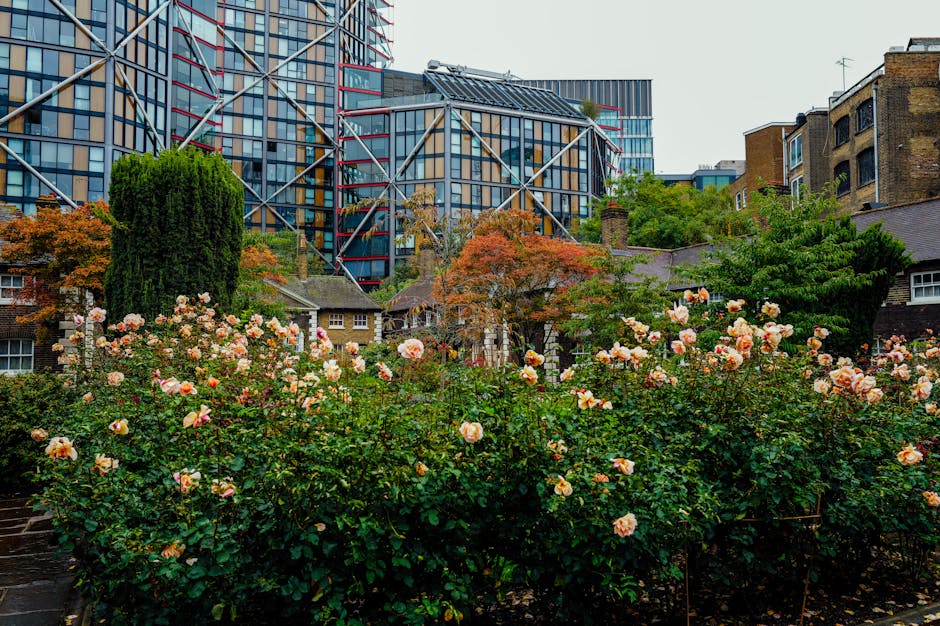
Kiln Theatre gardens Kilburn gardeners community makeover: a practical guide to making shared spaces thrive
If you have ever looked at a tired communal garden and thought, "this could be so much better," you are not alone. The idea behind Kiln Theatre gardens Kilburn gardeners community makeover is simple, but it can make a big difference: bring together sensible garden planning, skilled local gardeners, and community energy to turn an underused outdoor space into somewhere people actually want to spend time.
In a place like Kilburn, where outdoor space can be precious, a community garden makeover is not just about pretty borders and a neat lawn. It is about atmosphere, safety, maintenance, and pride. It is also about creating a space that still looks good after the first week, which, to be fair, is the bit many projects forget.
This guide walks through what the makeover means, why it matters, how it works in practice, and how to avoid the usual headaches. If you are planning, supporting, or simply curious about a shared-garden refresh near the theatre, you will find a grounded, useful overview here.
Expert summary: the best community garden makeovers are not the fanciest ones. They are the ones that match the space, the people who use it, and the level of care that can realistically be maintained month after month.
Why Kiln Theatre gardens Kilburn gardeners community makeover Matters
A community garden near a cultural venue like the Kiln Theatre does more than fill empty space. It helps shape the feeling of the neighbourhood. A well-kept garden can soften hard edges, create a calmer approach to the building, and make the area feel more welcoming from the first glance. That matters whether the space is used by theatre-goers, nearby residents, staff, volunteers, or passers-by.
Good outdoor spaces also pull people together in a way that is quietly powerful. You get informal conversations, shared responsibility, and a stronger sense that the area is looked after. And when a garden is visibly cared for, people tend to treat it with more care too. It is a small social loop, but it is real.
There is also a practical side. Shared gardens can quickly become messy if they are not designed with upkeep in mind. Self-seeded weeds, patchy grass, overgrown hedges, and awkward access points can make a space feel neglected even if it was once beautiful. A community makeover gives you a chance to reset the whole thing.
In our experience, the strongest projects are the ones that balance beauty with durability. A border that looks lovely but is too fiddly to maintain will become a burden. A simple, tidy, resilient design will keep paying off long after the first planting day.
How Kiln Theatre gardens Kilburn gardeners community makeover Works
The process usually starts with a look at what is already there. Not every makeover begins with a blank slate. Sometimes there is a decent structure hiding under layers of overgrowth. Other times, the space needs a full clearance before anything meaningful can happen.
A good local gardener or landscaping team will typically assess:
- the size and layout of the garden
- sunlight, shade, drainage, and soil condition
- paths, entrances, and how people move through the space
- existing trees, hedges, lawns, and shrubs
- what needs keeping, cutting back, or removing
- the long-term maintenance effort the community can support
From there, the makeover is shaped around realistic goals. Maybe the priority is a cleaner, safer communal entrance. Maybe it is a social space with seating and better planting. Maybe the site needs a complete tidy-up before a more ambitious redesign can begin. That depends on the budget, the season, and the level of agreement among the people involved.
This is where the right mix of services matters. A project might need garden clearance first, then regular garden maintenance to keep things under control. If the lawn is part of the plan, lawn mowing becomes a recurring task rather than a one-off fix. For hedges that are encroaching or losing shape, hedge trimming may be the difference between a tidy boundary and a messy one.
Some makeovers also include reworking the hard landscaping around the garden. That can mean paths, edges, raised areas, or simple structural features that help the space feel intentional rather than improvised. When that is needed, a broader landscaping approach, or even landscape gardening, is often the right conversation to have.
Key Benefits and Practical Advantages
The obvious benefit is that the garden looks better. But the real value usually runs deeper than that. A community makeover can improve how the space functions, how it feels, and how easy it is to look after. Those three things matter more than a perfect before-and-after photo, honestly.
- Better first impressions: a tidy garden gives visitors a calmer, more welcoming arrival.
- Safer use of the space: removing trip hazards, dead growth, and overhanging clutter helps the area feel more secure.
- More usable outdoor time: people are more likely to sit, meet, read, or talk in a pleasant space.
- Lower long-term stress: a sensible makeover makes routine upkeep easier.
- Stronger community pride: people tend to value what they help improve.
- Better plant health: proper pruning, soil care, and layout changes can help planting thrive instead of struggle.
There is also an often-overlooked benefit: a well-planned community space creates fewer arguments. When everyone knows what the garden is for, who is responsible, and what level of upkeep is expected, the whole thing runs more smoothly. No one likes a mystery garden that looks lovely for three weeks and then becomes "someone else's job."
If the makeover includes timber features, steps, or seating, it is worth thinking about how those elements age in wet and cold weather. This is where practical choices like durable materials and simple finishes matter. A small decked area can be useful if it is designed sensibly, and services such as decking services can be relevant when you want a more defined social area rather than just planting beds.
Who This Is For and When It Makes Sense
This kind of project is a good fit for mixed groups: theatre neighbours, community organisers, building managers, residents' groups, local volunteers, and anyone responsible for shared outdoor space near the venue. It is especially useful where the garden has become underused or a bit awkward to maintain.
You might need a community makeover if:
- the garden looks tired, neglected, or uneven
- plants have outgrown the space and block access
- the lawn is patchy or hard to keep in shape
- the area feels unsafe, cluttered, or poorly lit
- there is no clear plan for maintenance
- you want the space to support events, quiet use, or informal gathering
Sometimes the project is driven by a practical problem rather than a grand vision. A hedge that has crept too far. A tree that is shading out the rest of the garden. A forgotten patch at the side of a building that is just collecting leaf litter and frustration. That is enough to begin. It does not have to be a big civic statement. Although, if it turns into one, fair play.
For tree-related issues, such as reduced light or unmanaged growth, tree lopping and removal may be part of the plan. That should always be handled carefully and only where there is a genuine reason, not just because a tree is inconvenient on a windy Tuesday.
Step-by-Step Guidance
Here is a straightforward way to approach a garden makeover without losing the plot halfway through.
- Walk the space properly. Look at the garden at different times of day if you can. Morning shade and late-afternoon sun can change the feel of the place.
- Agree the purpose. Is this a calm seating area, a decorative frontage, a wildlife-friendly space, or a mix of all three?
- Identify the problems. Make a short list of what is broken, overgrown, or just awkward to use.
- Clear before you design. It is much easier to think clearly once clutter, waste, and dead growth are removed.
- Set a realistic maintenance level. Choose planting and features that match the actual time and budget available.
- Choose durable improvements. Simple borders, accessible paths, and manageable planting often beat complicated features.
- Plan the ongoing routine. Assign who will water, tidy, mow, trim, or book help.
- Review after the first month. The real test is not day one, it is how the garden holds up once normal life returns.
A useful clarification here: a makeover does not always mean dramatic construction. In many cases, the best result comes from clearance, reshaping, pruning, fresh planting, and a tidier structure. Small changes, done properly, can make the space feel ten times better. That is not an exaggeration. Well, maybe a little, but you get the point.
If you are comparing support options, it helps to understand what a professional team can cover. A broader set of services is outlined on the services overview page, while the practical side of budgeting is usually discussed through pricing and quotes. That can make planning less fuzzy, which is always welcome.
Expert Tips for Better Results
There are a few things that separate a decent makeover from one that keeps looking good six months later.
Start with maintenance, not decoration. People love choosing plants and finishes early, but if the site is overgrown or poorly drained, aesthetics come second. Clear the structure first.
Use repetition sparingly. A community garden can feel calmer when a few plants or materials are repeated across the space. Too many different styles makes it look patched together.
Think in layers. Low planting, mid-height shrubs, and occasional taller features often work better than a flat, one-note layout.
Keep access open. Paths and entry points should not feel squeezed. If people avoid a corner because it is awkward to pass, that part of the garden will slowly disappear from use.
Choose plants with realistic resilience. In a shared setting, plants need to tolerate more variability. Not every volunteer will water at the perfect time. Life happens.
Make one person responsible for the plan. A group can shape the vision, but someone should keep the decisions consistent. Otherwise the project can drift, and drift is where gardens go sideways.
One small observation from the real world: when people can see a neat edge, a tidy path, or a freshly cut lawn, they tend to notice the space again. That visual cue often sparks better behaviour and more engagement. It is weirdly effective.
Common Mistakes to Avoid
Community makeovers often fail for practical reasons, not because people do not care. The good news? Most of them are avoidable.
- Overdesigning the space: a lovely plan that needs constant attention can become a burden very quickly.
- Ignoring drainage and shade: plants that look great on paper may struggle in the wrong conditions.
- Skipping clearance work: trying to design around old clutter is like painting a room before you've moved the furniture.
- Choosing too many varieties: too much variety can make a small space feel messy and harder to maintain.
- Leaving maintenance undefined: if no one knows who trims, waters, or sweeps, the job gets lost.
- Forgetting seasonal change: a garden that looks good in May may be a different story by October.
Another common misstep is making the space look finished without thinking about ongoing use. For example, a garden may have a nice border but nowhere to sit. Or a seating area may look attractive but becomes damp and unusable. These are small things, yet they matter.
And yes, sometimes the mistake is simply choosing plants because they are pretty in the moment. That impulse is understandable. We have all done it. But in a community setting, a beautiful plant that cannot survive the site conditions is really just a short-lived visitor.
Tools, Resources and Recommendations
The right tools depend on the scale of the work, but a community makeover usually benefits from a mix of clearance equipment, pruning tools, mowing kit, and a sensible plan for waste removal and recycling.
| Need | Useful approach | Why it helps |
|---|---|---|
| Heavy tidy-up | Garden clearance | Removes clutter, dead material, and overgrowth before planning begins |
| Regular upkeep | Scheduled garden maintenance | Keeps the makeover from sliding backwards |
| Lawn care | Routine mowing and edging | Maintains a clean, cared-for look |
| Boundary control | Hedge trimming | Keeps the garden open, neat, and accessible |
| Structural changes | Landscaping or landscape gardening | Improves layout, usability, and flow |
| Longer-term sustainability | Recycling and waste-aware planning | Helps reduce unnecessary disposal and supports better practice |
If your project involves waste removal or large amounts of cuttings, it is sensible to think about sorting and recycling properly. The page on recycling and sustainability is a useful reference point for anyone trying to keep the makeover practical and responsible.
For teams handling public-facing spaces, it also helps to check basic trust and safety information. The pages on insurance and safety and health and safety policy are worth reviewing before work begins. Not glamorous, perhaps, but very important.
Law, Compliance, Standards, or Best Practice
For a community garden makeover in a shared urban setting, the safest approach is to follow normal UK best practice rather than making assumptions. That means thinking carefully about access, site safety, waste handling, equipment use, and who is responsible for the space once work is complete.
If the area is open to the public or used by lots of different people, it is wise to consider:
- clear walkways and trip-free surfaces
- safe access around pruning, cutting, and clearance work
- appropriate supervision where volunteers are involved
- careful use of tools and machinery
- proper disposal or recycling of green waste
- basic communication about who is doing what, and when
Where trees, large hedges, or structural changes are involved, the work should be assessed sensibly and carried out with care. Not every tree issue needs a dramatic intervention. Sometimes pruning is enough. Sometimes removal is appropriate. The key is judgement, not guesswork.
It is also a good idea to keep records of decisions, especially in community-led projects. Even a simple note about what was agreed, who approved it, and what maintenance is expected can save a lot of confusion later. Nothing fancy. Just clarity.
If your project involves volunteers, make sure the role of each person is realistic and safe. A well-meaning Saturday session can go wrong fast if there is no plan. Common sense goes a long way here, which is convenient because common sense is often in short supply when the kettle is on and everyone has strong opinions about plants.
Options, Methods, or Comparison Table
There is more than one way to approach a community makeover. The right method depends on how neglected the garden is, what the space is meant to do, and how much ongoing care is realistic.
| Method | Best for | Strengths | Limitations |
|---|---|---|---|
| Light refresh | Gardens that are already usable | Quick, affordable, minimal disruption | May not solve deeper layout or drainage issues |
| Clearance-first makeover | Overgrown or cluttered spaces | Creates a clean starting point | Can feel less exciting before the new design begins |
| Maintenance-led improvement | Spaces that need consistency more than redesign | Easy to sustain, practical, sensible | May not deliver major visual change |
| Full landscape redesign | Problem spaces or high-use gardens | Best for layout, access, and long-term usability | Higher effort, planning, and coordination |
For many community spaces, a mixed approach works best: clear, then maintain, then improve the structure little by little. That avoids the "big reveal and then fade-out" problem, which happens more often than people like to admit.
Case Study or Real-World Example
Imagine a small shared garden beside a theatre entrance in Kilburn. It has decent bones, but the hedge is overgrown, the lawn is uneven, and the back corner has become a collection point for leaves, broken pots, and forgotten odds and ends. Nothing dramatic, just the kind of space people stop noticing after a while.
The first step is a tidy clearance. Dead material is removed, the hedge is cut back, and the lawn is brought into shape. Once the clutter is gone, everyone can finally see the space properly. That alone changes the mood. The entrance feels broader, cleaner, more intentional.
Next comes the practical redesign. A simple seating area is added, planting is simplified into a few reliable shrubs and seasonal colour, and the open edges are made easier to maintain. There is no complicated water feature, no tricky planting scheme that needs a horticultural degree, no impossible upkeep list. Just a calm, functional garden that people can use.
After that, maintenance becomes the quiet hero. Regular mowing, periodic hedge trimming, and seasonal checks keep the garden from slipping. The difference is not just visual. People start pausing in the space again. A volunteer makes a cup of tea and stands outside for a minute. Someone else notices the borders and comments that the place feels "proper looked after." That kind of response is often the real success.
The lesson? The best makeovers solve today's mess and tomorrow's maintenance at the same time.
Practical Checklist
Use this before, during, or after the makeover.
- Confirm the main purpose of the garden
- Walk the site and note problem areas
- Decide what should be kept, cut back, or removed
- Clear debris and bulky waste first
- Check access points and walking routes
- Choose planting that suits shade, sun, and maintenance levels
- Keep the layout simple enough to maintain
- Plan lawn care, hedge trimming, and general upkeep
- Think about waste recycling and sustainability
- Agree who is responsible for ongoing care
- Review the garden after the first few weeks
- Book regular maintenance before things start slipping
If you can tick most of those boxes, you are already ahead of the game. Seriously, that is where a lot of projects begin to improve.
Conclusion
A Kiln Theatre gardens Kilburn gardeners community makeover is at its best when it combines thoughtful design, practical maintenance, and local care. It does not need to be extravagant. It needs to be considered, durable, and realistic for the people who will actually use it.
Whether you are starting from an overgrown patch or refining an already promising space, the goal is the same: create a garden that feels welcoming now and remains manageable later. That balance is what turns a one-off tidy-up into something that truly lasts.
If you approach it with clear priorities, sensible choices, and a bit of patience, the result can lift the whole area in a very real way. And sometimes that is enough to change how a place feels on an ordinary day, which is no small thing.
Get a free quote today and see how much you can save.
Frequently Asked Questions
What does a community garden makeover near the Kiln Theatre usually include?
It usually starts with clearance and tidying, then moves into trimming, mowing, planting, layout improvements, and a maintenance plan so the space stays usable.
How is this different from normal garden maintenance?
Maintenance keeps an existing garden in shape. A makeover is broader: it often resets the space, improves structure, and fixes long-standing issues before regular upkeep begins.
Do we need a full redesign if the garden just looks tired?
Not always. Sometimes a careful clearance, fresh mowing, hedge cutting, and a few planting changes are enough to make a big difference without a full redesign.
What are the biggest risks in a shared garden project?
The main risks are poor planning, unclear responsibility, choosing features that are too hard to maintain, and skipping safety or access considerations.
How often should a community garden be maintained after the makeover?
That depends on the planting and size of the space, but shared gardens usually benefit from regular attention rather than occasional rescue work. Small, frequent upkeep is best.
Can overgrown hedges or trees be part of the problem?
Yes. Overgrowth can block light, narrow access, and make the whole garden feel closed in. Hedge trimming and careful tree work can open the space up again.
What is the most cost-effective way to improve a community garden?
Clear the worst problems first, then focus on low-maintenance changes that improve usability. Simple, durable improvements often give better value than expensive features.
How do we know whether we need landscaping or just garden clearance?
If the main issue is mess or overgrowth, clearance may be enough to start. If the layout itself is awkward or poorly used, landscaping or landscape gardening is more appropriate.
Should community projects think about recycling garden waste?
Yes, absolutely. Sorting green waste properly and thinking about sustainability is a sensible part of any responsible garden project.
What if different people in the community want different things?
That is normal. The best approach is to agree the core purpose of the space first, then choose practical changes that support most users without overcomplicating the design.
How do we keep the new garden from looking messy again?
Keep the design simple, set a realistic maintenance schedule, and make sure someone owns the routine tasks. A good plan matters more than a grand start.
Who should we speak to first if we are planning a makeover?
Start with a local team that understands garden clearance, maintenance, and landscaping together. That way, the initial advice is practical rather than piecemeal.