Fast Kilburn gardeners for urgent lawn and hedge repairs
When a lawn suddenly looks patchy, a hedge starts leaning into the pavement, or a front garden gets hit by storm damage, you do not always have the luxury of waiting a week. You want it sorted quickly, neatly, and without turning a small problem into a bigger one. That is exactly where Fast Kilburn gardeners for urgent lawn and hedge repairs come in.
In Kilburn, gardens often work hard. They face compact front plots, busy pavements, shared boundaries, wind exposure, and the usual London mix of shade, foot traffic, and not-quite-enough time. So when something breaks down, it can affect more than appearance. It can affect safety, access, privacy, and even how a property feels from the street. This guide explains what urgent lawn and hedge repair actually involves, how the process works, and how to choose a service that is quick and careful. Not just fast for the sake of it.
If you are trying to decide whether to book help now or leave it until the weekend, this article will help you judge the situation properly. You will also find practical steps, a realistic checklist, a comparison table, and answers to common questions people ask before booking. For a broader view of the services available, you can also browse the services overview and the site's main Kilburn gardening page.
Table of Contents
- Why fast urgent lawn and hedge repairs matter
- How urgent lawn and hedge repairs work
- Key benefits and practical advantages
- Who needs this service and when it makes sense
- Step-by-step guidance
- Expert tips for better results
- Common mistakes to avoid
- Tools, resources and recommendations
- Law, compliance, standards and best practice
- Options, methods and comparison table
- Case study or real-world example
- Practical checklist
- Conclusion
- Frequently asked questions
Why Fast Kilburn gardeners for urgent lawn and hedge repairs Matters
Urgent garden repairs are not just about making things look tidy. They often solve a timing problem. A broken hedge after strong wind, a lawn torn up by pets or contractors, or a front boundary that has become overgrown can create immediate headaches. Neighbours notice. Passers-by notice. If the garden is near a path or shared access point, you may notice every day yourself, which is somehow worse.
A fast response matters most when damage is new. Fresh hedge breaks, wind scorch, heavy footfall, or a lawn that has just been shredded by wet weather are often easier to recover if action is taken quickly. Leave them too long and the work becomes more expensive, more visible, and sometimes more technically awkward. To be fair, a lot of garden problems are like that. They start small, then quietly turn into a Saturday project you never wanted.
For Kilburn homes, speed matters for a few practical reasons:
- Kerb appeal: front gardens are highly visible and can affect first impressions quickly.
- Safety: broken hedge branches, uneven edges, and fallen debris can become trip hazards.
- Privacy: a damaged hedge can leave windows or patios exposed.
- Plant recovery: lawns and hedges often recover better when repaired early.
- Neighbour relations: let's face it, an untidy boundary can become a conversation.
There is also a simple emotional side. When a garden looks rough, the whole property can feel a bit off. Even if the inside of the home is immaculate, the outside sends a message. A prompt repair restores order quickly, and that small sense of relief can matter more than people expect.
How Fast Kilburn gardeners for urgent lawn and hedge repairs Works
The process is usually straightforward, but the best results come from a clear assessment before any cutting starts. Urgent work is not always about doing everything immediately. Sometimes it is about stabilising the problem first, then completing a proper repair once the damage has been understood.
A typical urgent repair service may include a same-day or next-available visit, a quick inspection, a short explanation of what can be fixed right away, and the work itself. Depending on the issue, this might mean hedge trimming, branch removal, lawn levelling, re-edging, patching, re-turfing small areas, or clearing debris so the space is safe and usable again.
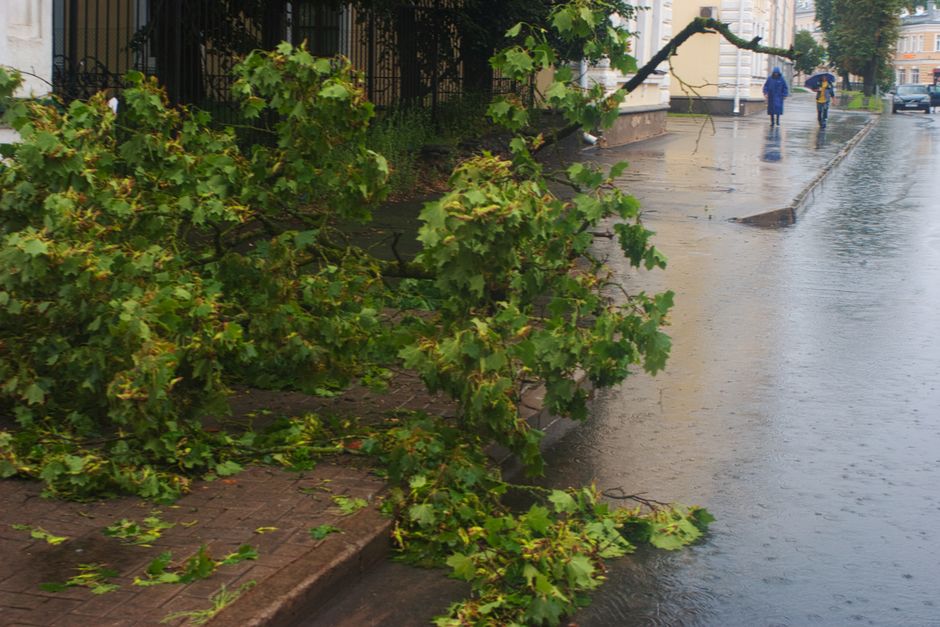
In a real-world Kilburn scenario, a homeowner might call after a windy night has snapped the top of a privet hedge and flattened a section of lawn near the path. A gardener may first remove loose or unsafe material, then trim back torn growth, tidy the boundary line, and advise whether the lawn needs simple repair or a more involved patch-up. That kind of sensible triage is a sign of proper experience.
If you want to understand how this fits into a wider service package, the services overview is a useful place to compare options. It also helps to check pricing and quotes early, because urgent work is easier to arrange when you know what type of visit you need.
Usually, the work follows this rough sequence:
- Initial contact: you describe the damage, size of the area, and how urgent it is.
- Triage: the gardener decides whether it is a safety issue, a cosmetic repair, or both.
- Site visit or estimate: sometimes a photo is enough; sometimes a quick look in person is better.
- Immediate stabilisation: dangerous branches, torn growth, or obstructive debris are dealt with first.
- Repair and tidy-up: the lawn and hedge are restored as neatly as possible.
- Follow-up advice: you get guidance on watering, feeding, or aftercare if needed.
The best urgent gardeners keep the process calm. No drama, no guessing games. Just a clear plan and a tidy finish.
Key Benefits and Practical Advantages
There are several reasons people choose fast garden repair rather than waiting for a regular maintenance slot. Some are obvious. Some are less obvious until you have been through it once.
1. Faster recovery for the garden
Hedge wounds, broken stems, and freshly damaged lawn areas usually respond better when treated promptly. Early repairs can reduce further tearing, compaction, or disease pressure.
2. Better street appearance
Even a quick trim or edging correction can make a front garden look more balanced. That matters if you are selling, renting, hosting guests, or just tired of looking at the same messy patch every time you leave the house.
3. Safer access
Loose clippings, branches, or leaning hedge material can cause awkward moments for people walking by, collecting deliveries, or moving bins. A prompt tidy-up removes that risk.
4. More efficient use of labour
Fast repairs often stop a problem spreading. A small hedge break can become a broad gap if it is left and repeatedly snagged. A torn lawn patch can become a muddy route if people keep walking over it.
5. Less stress
Sometimes the main value is simply getting it off your mind. You see the damage, you make the call, and it is handled. Simple as that.
There is a useful mindset here: urgent repair is not always about perfection. Sometimes the smartest move is to make the area safe, neat, and stable first, then plan longer-term improvements later. That is normal. In fact, that is often the most sensible way to work.
For readers who want reassurance about service standards, it can also help to review insurance and safety information and the site's health and safety policy. Those pages give a better sense of how professional work is handled behind the scenes.
Who This Is For and When It Makes Sense
This kind of service suits a lot of people, not just homeowners with large gardens. In Kilburn, urgent lawn and hedge repairs are often needed by people with small but visible outdoor spaces that still need to look presentable every day.
You may need fast help if you are:
- a homeowner dealing with storm damage after a windy night
- a landlord preparing a property between tenancies
- a tenant trying to tidy an outdoor space before inspection
- a business owner with a front garden or boundary hedge that affects presentation
- someone caring for an older relative and trying to keep paths and borders safe
- anyone who has let maintenance slip and now needs a quick reset, truth be told
It also makes sense when the issue is seasonal. After heavy rain, lawns can rut or turn muddy. After a dry spell, grass may thin out and show bare patches. Hedges can also suffer from sudden temperature shifts, wind exposure, or simple neglect. Not every problem is dramatic. Sometimes it is just a series of small things that became too visible at once.
If you are unsure whether the job is urgent, ask yourself three questions:
- Is it affecting safety, access, or privacy?
- Will it worsen quickly if left for a few days?
- Does it look worse because of a recent event such as wind, rain, or impact damage?
If the answer is yes to any of those, a prompt visit is usually worth it.
Step-by-Step Guidance
If you want the job done well, it helps to approach it like a quick rescue plan rather than a vague tidy-up. Here is a practical way to think about it.
1. Identify what is actually broken
Is the hedge torn, bent, split, or simply overgrown? Is the lawn damaged by wear, pests, waterlogging, or compacted soil? The more precisely you describe the issue, the easier it is for the gardener to arrive with the right tools and time estimate.
2. Take a few clear photos
Photos help a lot, especially if the repair is urgent and you need a quick quote. Include the full area, close-ups of the damage, and any awkward access points. One good photo beats three rushed messages, usually.
3. Decide whether it is an emergency or a same-day tidy
A broken branch hanging over a walkway is different from a hedge that just looks a bit ragged. Prioritise anything that could cause injury, block access, or continue tearing in the wind.
4. Ask what will be repaired now and what will be left for later
This is an underrated question. The best urgent jobs are often split into immediate repair and follow-up maintenance. For example, a gardener might stabilise a damaged hedge section now, then recommend a second visit once new growth starts.
5. Prepare the area
Move fragile pots, garden furniture, bikes, or toys out of the way. If a hedge is near a boundary, make sure the access path is clear. It sounds obvious, but it saves time and reduces the chance of accidental damage.
6. Check the finish
Look at lines, edges, leftover debris, and access paths after the repair. A decent job should leave the space safe, balanced, and ready to use. It does not need to look like a show garden. It should look deliberate, which is different.
A quick summary worth remembering: urgent repair is a sequence, not a panic response. Identify, document, stabilise, repair, then tidy. Simple. Effective.
Expert Tips for Better Results
Small decisions make a big difference with lawn and hedge repairs. A lot of the best outcomes come from good judgement, not just sharp tools.
Choose the right trimming height. Hedge work should preserve the plant's shape and growth habit. Cutting too hard can leave a bare line that takes ages to fill in. A careful trim usually looks better than an aggressive one, especially on mature hedges.
Do not overwork wet soil. If the lawn is saturated, heavy foot traffic or repeated raking can compact the surface. That makes recovery slower. Sometimes the best move is to clear and stabilise, then return when conditions are kinder.
Match the repair to the damage. A minor lawn tear may only need top-dressing and reseeding. A larger bare patch may need turf replacement or a more structured repair. There is no prize for using the biggest fix on the smallest problem.
Keep the cut material under control. Hedge trimmings left in place can smother grass and make the area look messier than it really is. Clean removal matters. It is a small thing, but it changes everything visually.
Think about aftercare before the gardener leaves. If a section has been reseeded or patched, ask how long to avoid walking on it, whether it needs watering, and when to expect visible improvement. It is much easier to recover a repair properly if the aftercare is clear from day one.
If you are comparing providers, a clear and transparent approach to quotes and pricing is a good sign. So is a provider who can explain safe working practices and insurance without getting defensive about it. You should not have to chase basic trust signals.
Common Mistakes to Avoid
Urgent repairs can go wrong in small, avoidable ways. The frustrating part is that these mistakes usually look minor at the start, then become annoying later. A hedge cut too hard. A lawn patch walked on too soon. A quick job that quietly turned into a longer job.
- Waiting too long: fresh damage often becomes harder to repair once it dries out, tears further, or gets compacted.
- Assuming every hedge needs the same treatment: different species respond differently to cutting and shaping.
- Overwatering after repair: helpful in moderation, harmful if the soil is already saturated.
- Ignoring the root cause: if a hedge keeps breaking in the same place or the lawn keeps thinning, something deeper may be going on.
- Hiring on speed alone: fast is great. Careless is not.
- Forgetting access and boundaries: especially in shared front gardens or terraced settings.
Another common slip is expecting a repair to look instant. Lawn recovery often needs a few weeks of gentle care. Hedge recovery can take even longer depending on the species and the season. That does not mean the work was poor. It means plants are plants, and they keep their own timetable.
One more thing: if you are dealing with any safety concern near a public path, do not just hope it sorts itself out. Tidy it or get advice straight away. Better a slightly early call than an awkward incident later.
Tools, Resources and Recommendations
The right tools make urgent repairs quicker and cleaner. A professional gardener will usually arrive with the basics already sorted, but it helps to know what is commonly used and why.
| Issue | Common tools or materials | Why they matter |
|---|---|---|
| Damaged hedge | Hedge trimmer, hand shears, loppers, secateurs, tie supports | Allows clean shaping, removal of torn growth, and support for weak sections |
| Patchy lawn | Rake, topsoil, seed, turf, edging tools, roller | Helps restore level ground and improve recovery |
| Debris and storm damage | Gloves, bags, wheelbarrow, pruning tools, broom | Clears access and prevents further damage |
| Uneven boundaries | Edger, measuring tools, string line, trimming equipment | Creates a tidy, consistent finish |
From a homeowner's point of view, the most useful resources are often the simplest ones: a few photos, a clear description of the damage, and a realistic sense of what needs doing now versus later. If you are not sure where to start, the site's service guide can help you frame the job before requesting help.
It is also worth looking at support pages that show how the business operates. For example, payment and security details can help you understand how booking is handled, while the recycling and sustainability page is useful if you care about green waste disposal and low-waste working practices. Small things, yes. But they tell you a lot about the standard of service.
And if you need confidence that the company is set up properly, the trust pages are worth a look too: insurance and safety, health and safety policy, and the complaints procedure. Nobody wants to read policy pages for fun, obviously, but they do make a difference when you are choosing who to let into your garden.
Law, Compliance, Standards and Best Practice
For urgent lawn and hedge repairs, the main concern is usually not legal complexity. It is safe, responsible work. Still, there are a few best-practice points worth keeping in mind, especially in a busy London setting where gardens often sit close to neighbours, pavement edges, shared access, or parked vehicles.
Safety first: any work involving ladders, sharp tools, falling branches, or powered equipment should be handled carefully. Professional gardeners should use sensible precautions, keep the site tidy, and avoid creating hazards while they work. That is why it is sensible to review a provider's insurance and safety information before booking.
Property boundaries matter: in shared or tight spaces, it is best to be clear on what belongs to whom before cutting back overhanging growth. A quick, respectful conversation avoids misunderstandings. No one enjoys the "who trimmed what?" discussion on a Tuesday morning.
Waste handling should be sensible: cuttings and green waste ought to be removed or managed in line with ordinary local expectations. If a provider mentions recycling or responsible disposal, that is a good sign. You can also check the recycling and sustainability page for a clearer sense of practice.
Accessibility should not be ignored: if a hedge, lawn edge, or debris pile blocks a path, the repair should prioritise safe access. For users with mobility concerns, visibility and clear passage are more than just neatness issues. They are practical necessities. If you need extra support using the website or accessing information, the accessibility statement may be helpful too.
Clear payment terms are best: urgent work is easiest to book when pricing, payment timing, and quote expectations are spelled out. That is why the pricing and quotes page is worth reading before you commit.
In short, best practice here is simple: work safely, explain clearly, protect boundaries, and leave the garden cleaner than you found it. That is the standard people should expect, really.
Options, Methods and Comparison Table
Not every garden problem needs the same type of repair. Sometimes a fast trim is enough. Sometimes you need a more structured intervention. Choosing the right method saves time and money, and it usually gives a better finish.
| Repair method | Best for | Strengths | Limitations |
|---|---|---|---|
| Quick tidy-up and shaping | Light hedge damage, messy edges, small lawn disturbances | Fast, affordable, improves appearance immediately | Not enough for structural damage or major bare patches |
| Targeted repair | Broken hedge sections, patchy grass, small storm damage | Balances speed with proper restoration | May need follow-up care |
| Full reset | Severe lawn wear, multiple hedge failures, neglected borders | More comprehensive, more durable outcome | Takes longer and usually costs more |
The best method depends on the actual condition of the garden, not just the visible mess. A hedge with snapped tips may only need careful shaping. A lawn with several compacted dead patches may need reseeding, top-dressing, and a bit of patience. This is where experience really shows. A good gardener will not over-sell a major fix if a smaller one will do.
If you are weighing options, a quick quote request is usually the fastest way to compare. Start with the nature of the damage, then ask what outcome is realistic in one visit. That gives you a much clearer picture than guessing from the outside.
Case Study or Real-World Example
A typical Kilburn urgent repair might begin with a simple call after a windy evening. A front hedge has been bruised and partly split; a narrow lawn strip by the path has been churned up where a bin was dragged out in wet weather. Nothing dramatic, but enough to make the whole front garden feel untidy and a bit neglected.
The gardener arrives, checks the hedge for loose stems, removes damaged growth, and reshapes the top so it looks even again. Then they inspect the lawn. The worst patch is not huge, but the soil is compacted and the grass is torn. Rather than pretending it will bounce back on its own, they level the area, add a little fresh material, and advise the homeowner to keep foot traffic off it for a short period.
The result is not a magazine-perfect lawn. It is better than that in a practical sense. The front of the property looks cared for again. The hedge no longer catches the eye for the wrong reason. The path feels safer. And the homeowner can stop worrying every time they glance out the window while making tea. Small relief, big difference.
That is often what urgent garden repair really is: a careful reset that restores order quickly without pretending the damage never happened.
Practical Checklist
Use this checklist before you book urgent help. It keeps the process quick and tidy.
- Identify whether the issue is safety-related, cosmetic, or both.
- Take clear photos from a few angles.
- Note any awkward access, pets, locks, or gate issues.
- Remove items that could be damaged during work.
- Decide whether you need immediate stabilisation or a full repair.
- Ask for a clear quote or estimate before work begins.
- Check that insurance and safety expectations are explained.
- Confirm how waste and clippings will be handled.
- Ask what aftercare the lawn or hedge needs.
- Book a follow-up visit if the damage needs a second stage.
Quick reminder: if it looks likely to worsen in the next day or two, do not leave it sitting there. That is usually the point where a small job becomes a real nuisance.
Get a free quote today and see how much you can save.
Conclusion
Fast garden repairs are at their best when they are calm, practical, and done with a proper eye for detail. If you need quick help with a damaged lawn or a hedge that has lost its shape, the right gardener will not just rush in and chop everything back. They will assess the problem, choose the least disruptive fix, and leave the space looking safe and respectable again.
For Kilburn properties especially, that kind of responsiveness is more than convenient. It protects kerb appeal, reduces hassle, and prevents minor damage from becoming a longer repair. And honestly, there is a lot to be said for looking out at the front garden and thinking, finally, that is sorted.
If you are comparing options now, use the service pages, trust pages, and quote information to make a clear decision. Then get the repair booked, get it done, and enjoy the quiet satisfaction of a garden that feels back under control. Sometimes that little bit of order makes the whole day better.
Frequently Asked Questions
How quickly can urgent lawn and hedge repairs usually be done in Kilburn?
It depends on the size of the job, access, and how busy the schedule is, but urgent repairs are often arranged as a same-day or next-available visit when the issue is time-sensitive. If the damage is only cosmetic, it may still be handled quickly, just not as an emergency.
What counts as an urgent hedge repair?
A hedge repair is usually urgent if it is blocking access, hanging into a pavement, exposing a boundary, or creating a safety risk. Storm damage, snapped branches, and badly torn growth are all common examples.
Can a damaged lawn be repaired quickly, or does it need replacement?
Small damaged areas can often be patched, reseeded, or top-dressed. Larger worn or compacted sections may need turf replacement or more structured restoration. The right approach depends on how deep the damage goes.
Is it better to trim a hedge hard after it has been damaged?
Not always. Heavy cutting can leave bare sections or stress the plant. A careful, selective trim is often better, especially if the hedge is healthy apart from a few broken areas.
How much does fast garden repair cost?
Costs vary depending on the size of the hedge, the condition of the lawn, how much waste needs removing, and whether the job needs immediate attention. A written quote is the safest way to understand the likely cost before work begins.
What should I do before the gardener arrives?
Clear access, move fragile items, take a few photos of the damage, and be ready to explain what happened. If you can tell whether the problem started after wind, rain, or foot traffic, that helps too.
Do urgent repairs include waste removal?
They often do, but it is best to confirm in advance. Hedge cuttings, broken stems, and debris can add time to the visit, so it is sensible to ask how waste will be handled and whether it is included in the quote.
What if the damage is near a shared boundary?
Shared boundaries need a bit more care. It is sensible to clarify what belongs to which property before work starts, especially if the hedge or lawn edge is close to a neighbour's side or a shared walkway.
Can the work be done in bad weather?
Light rain may not stop some work, but heavy rain, strong wind, or slippery ground can make repairs less safe and less effective. A professional gardener will usually judge conditions carefully rather than pushing ahead just because the diary says so.
How long does hedge or lawn recovery take after repair?
That varies. A tidy hedge trim may look better immediately, while lawn repairs can take days or weeks to settle depending on the method used. Reseeded areas especially need time, water, and patience. A bit dull, but true.
How do I know if a gardener is reliable for urgent work?
Look for clear communication, transparent pricing, sensible safety information, and a straightforward explanation of what can realistically be done on the first visit. Helpful pages such as insurance and safety and pricing and quotes are good signs of a well-run service.
What if I am unhappy with the result?
You should raise it promptly and clearly. A proper service provider should have a route for feedback or complaints. If you want to see how that is handled, the complaints procedure page gives useful context.
Do I need to worry about accessibility when booking?
If you or someone at the property has mobility needs, access and clear pathways matter a great deal. It is wise to mention that early so the repair can be planned around safe movement and easy entry. If you want more information on website access and support, see the accessibility statement.
If you are ready to restore a messy lawn edge or a damaged hedge without delay, a quick quote is the cleanest next step. Little jobs have a habit of becoming big ones if they are ignored. Better to sort them now, while the fix is still simple.